

Campaign Overview
Following China’s domestic ivory trade ban, Travel Ivory Free (2018–2020) set out to curb demand for elephant ivory among Chinese outbound tourists visiting popular Asian destinations. Led by WWF’s Elephant Ivory Initiative in close collaboration with WWF-US, WWF-Greater Mekong, WWF-China and WWF offices across Myanmar, Viet Nam, Japan, Laos, Thailand, Cambodia, and Hong Kong SAR, the initiative coordinated an integrated, multi-country effort to reach travelers wherever they journeyed.
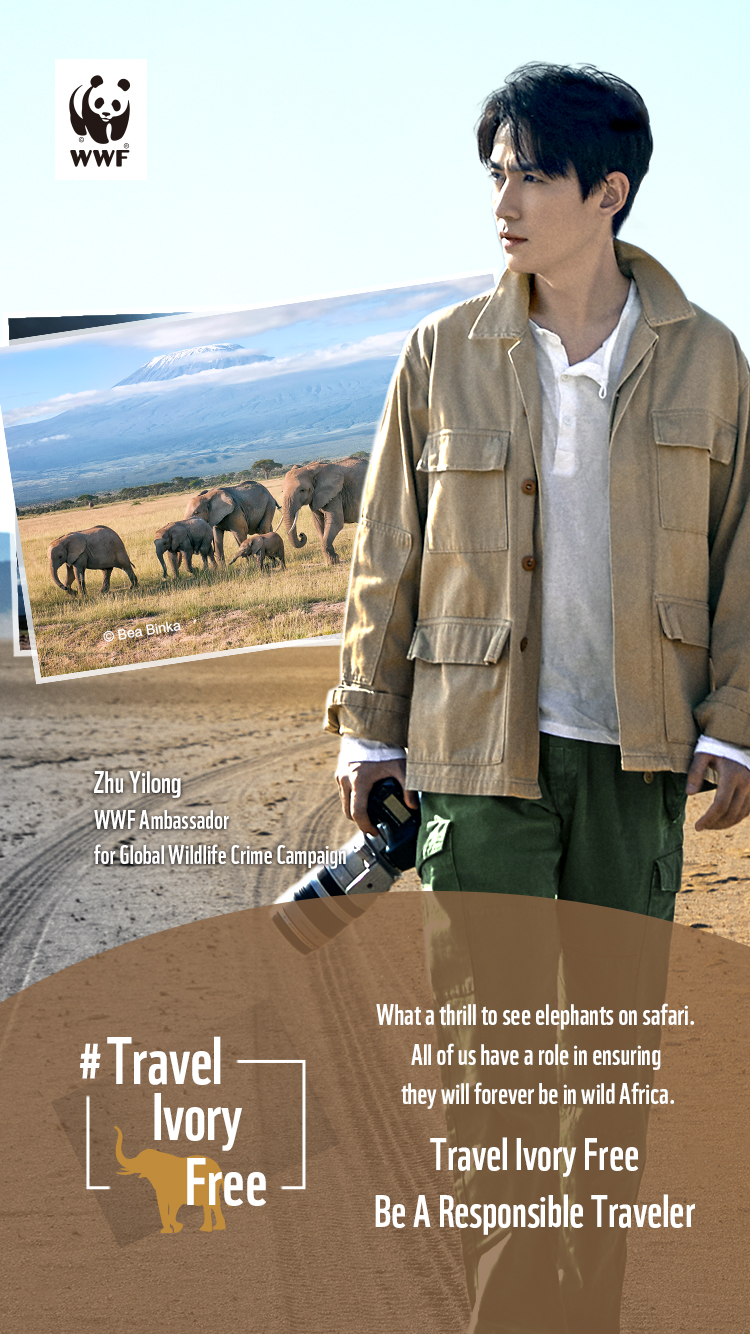
Timed to China’s peak travel periods of Golden Week (October) and Lunar New Year (January/February) when large numbers of travelers were likely to encounter open ivory markets abroad, the campaign combined digital precision marketing with on-the-ground engagement. It also engaged the travel industry through key players including international airports, tourism authorities, industry associations, travel influencers and celebrity ambassador Zhu Yilong – actor, singer and charity influencer with 23 million followers on Weibo – who became WWF’s Ambassador for Global Wildlife Crime Campaign in 2019.
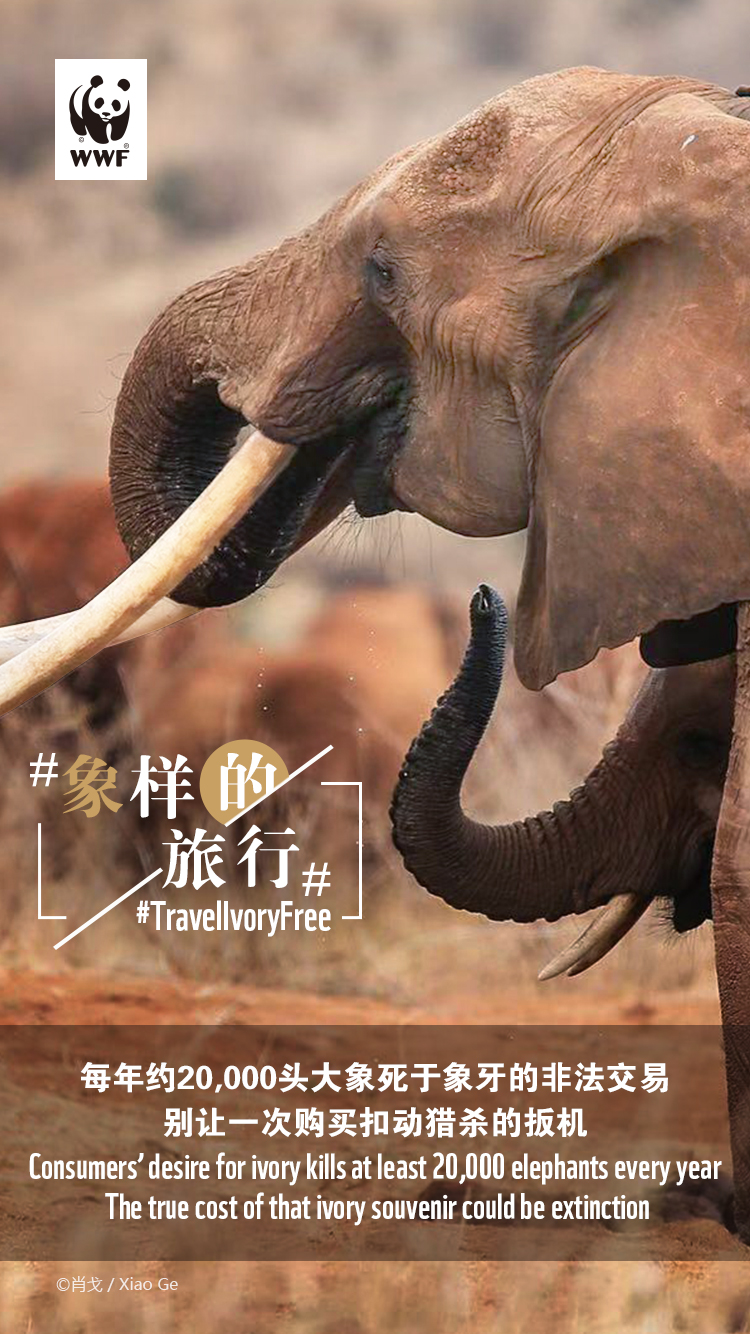
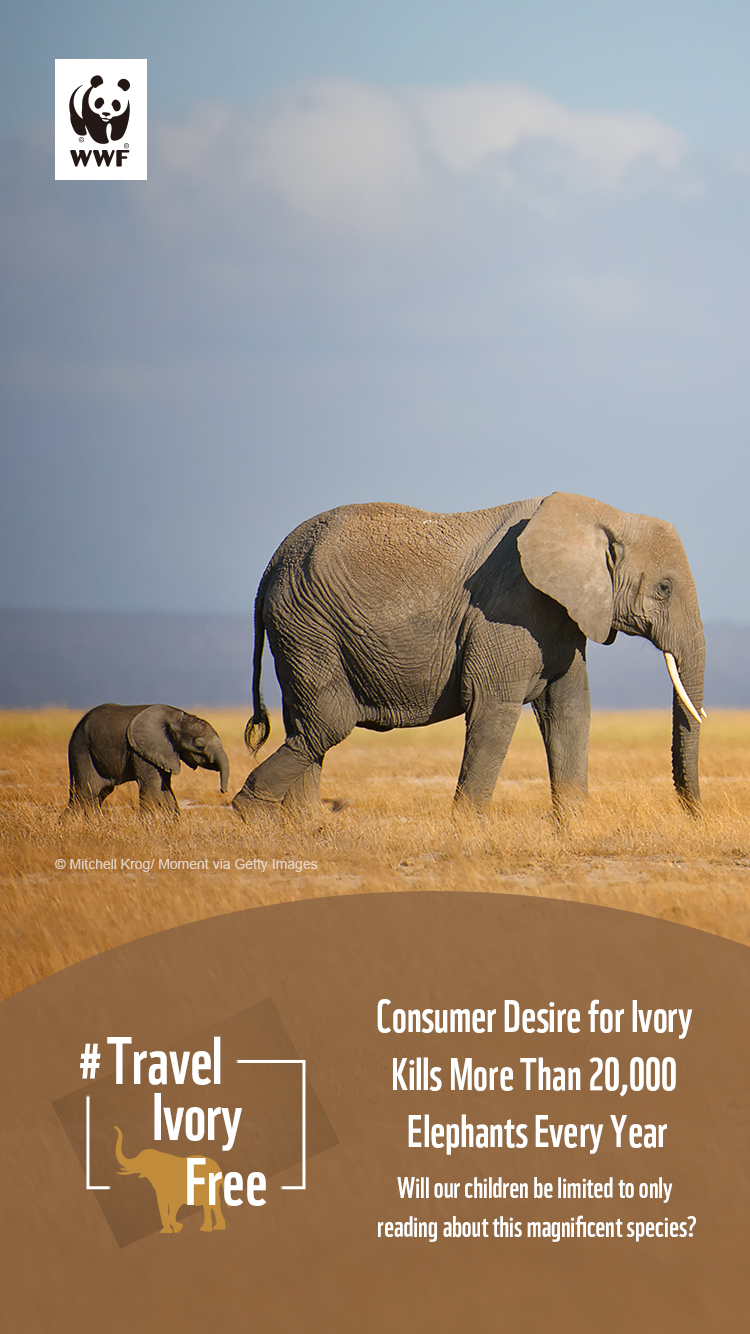
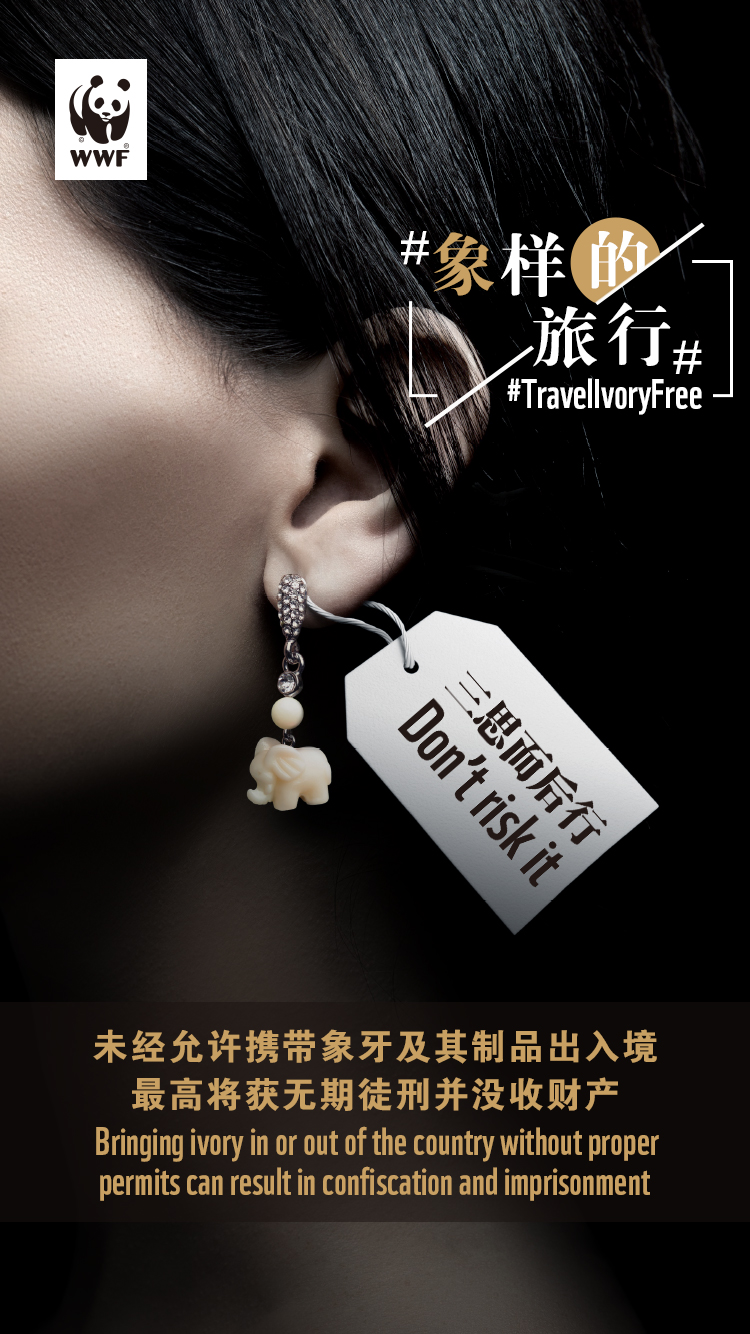
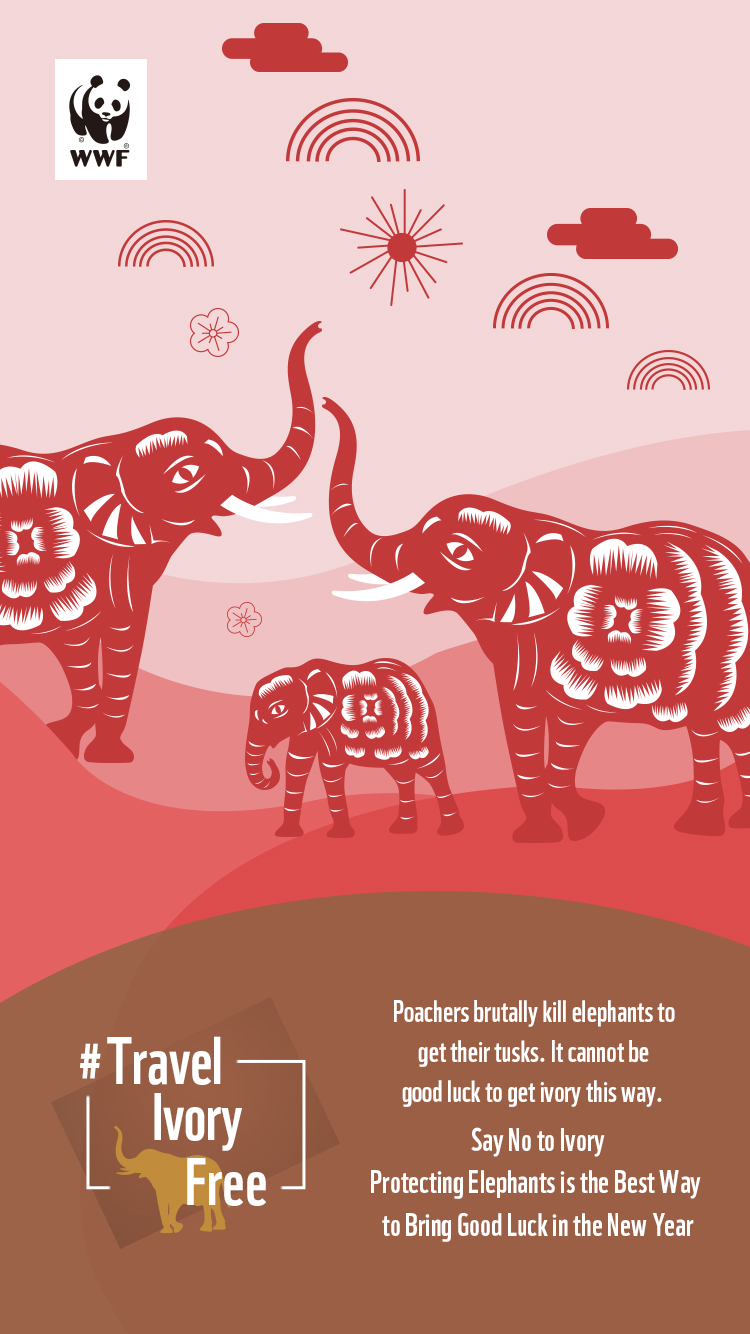
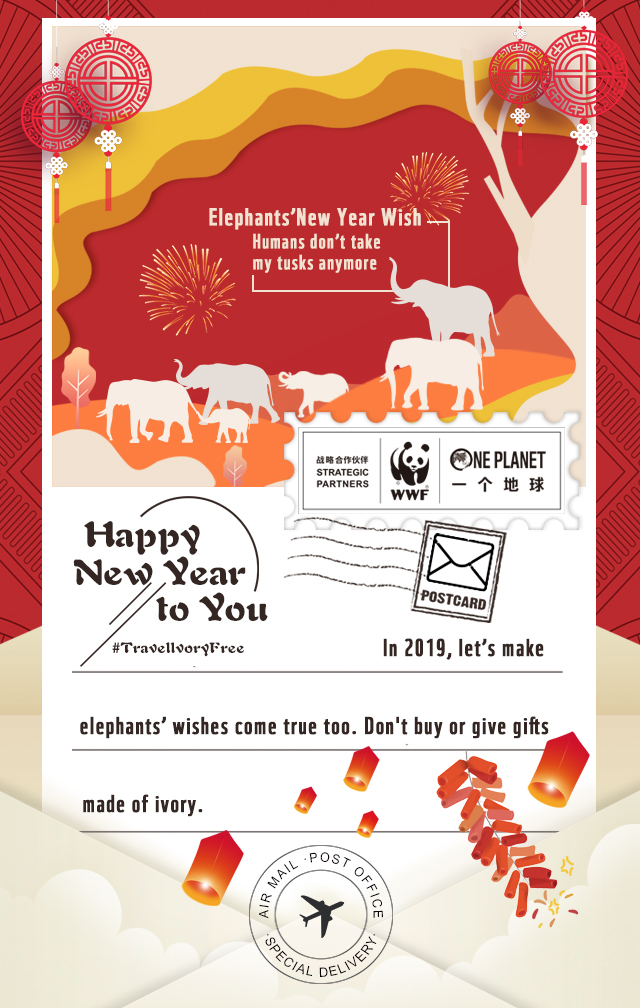
Communications centered on three core messages: Responsible Traveler, Effect of Poaching, and Happy Lunar New Year. Through online outreach and complementary offline activations in high-traffic tourist touchpoints, the campaign encouraged travelers to pledge to stay ivory-free by providing clear guidance on legal risks and responsible travel behavior.
Outcomes & Results
By meeting travelers both online and in person, and aligning strategy and execution across countries and territories, the Travel Ivory Free campaign shifted attitudes, changed behaviour, and strengthened WWF’s broader effort to reduce global ivory demand. The campaign successfully influenced traveler attitudes and behaviour, and reinforced the importance of responsible ivory-free tourism.
Between 2018 and 2020, the campaign generated 112 million views of precision-targeted content and achieved 300 million total impressions after organic resharing. Such strong public engagement also resulted in 7.8 million online pledges from individuals to travel ivory-free, demonstrating strong commitment and willingness to support wildlife-friendly travel.
Importantly, these achievements contributed to broader changes measured under WWF’s Elephant Ivory Initiative: in 2021, self-reported purchases of elephant ivory among Chinese consumers shows had fallen to less than half of pre-ban levels.
After four years of the initiative’s combined demand-reduction campaigns and policy advocacy across Asia, WWF recorded 49% reduction (2017-2021) in the share of Chinese consumers expressing future intent to buy ivory.
The success and learnings from Travel Ivory Free also inspired continued messaging and renewed commitment to demand-reduction efforts, including integration into Viet Nam’s Elephant Ivory campaign in 2025, and Thailand’s national Travel Ivory Free campaign in cooperation with the Travel Authority of Thailand from 2019-2024.
Asset Types
- Social media posts
- Social media videos
- Digital ads
- Print and OOH ads
- Video ads
Conditions of Reuse
The campaign concept or idea may be adapted by other WWF offices. While the original assets cannot be used as-is, offices are welcome to replicate the campaign idea in their own tailored execution.
Get In Touch
For more information, reach out to WWF-US at wildlifecomms@wwfus.org